




We've sent you an email with a link to update your password.


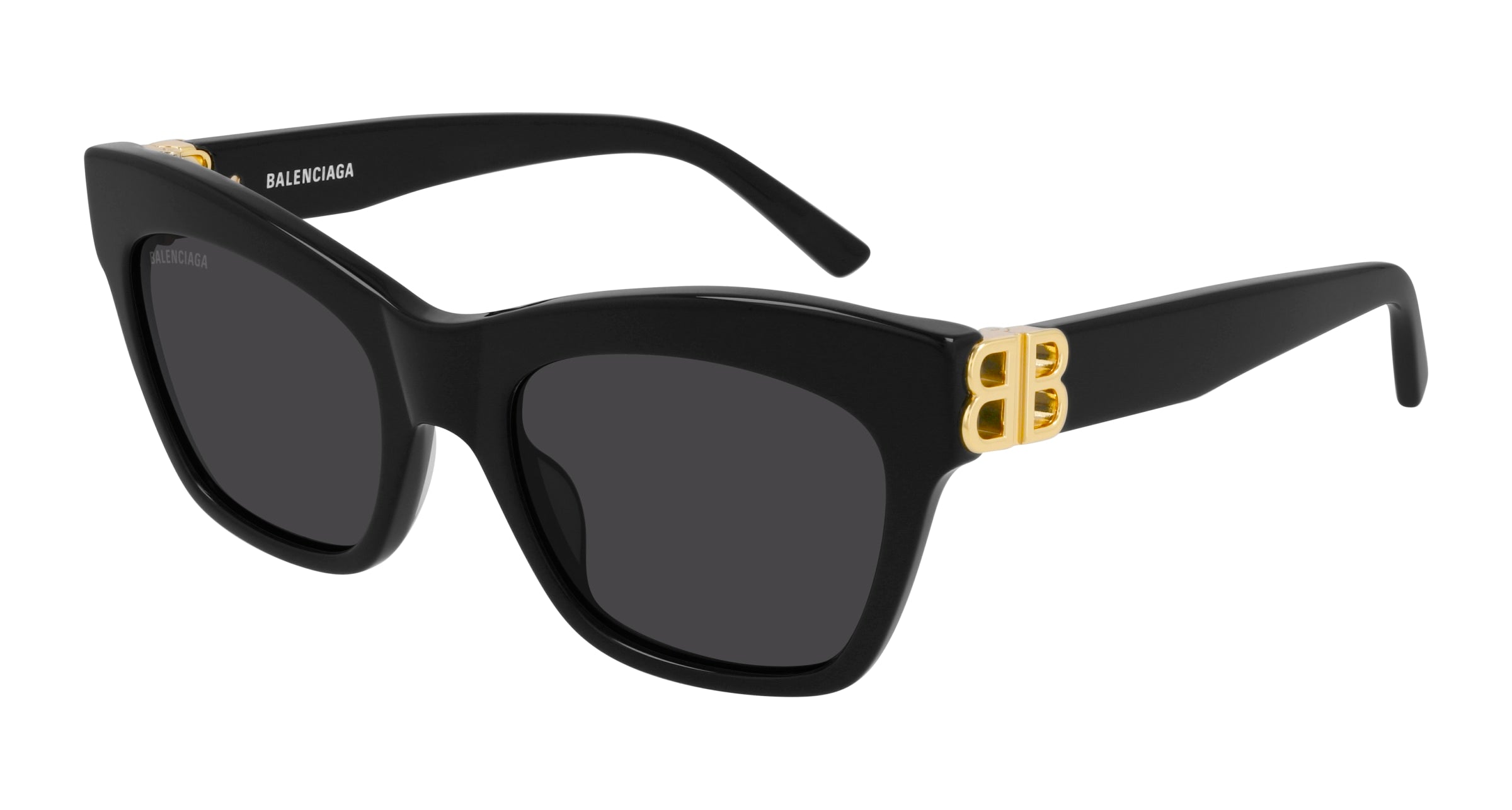
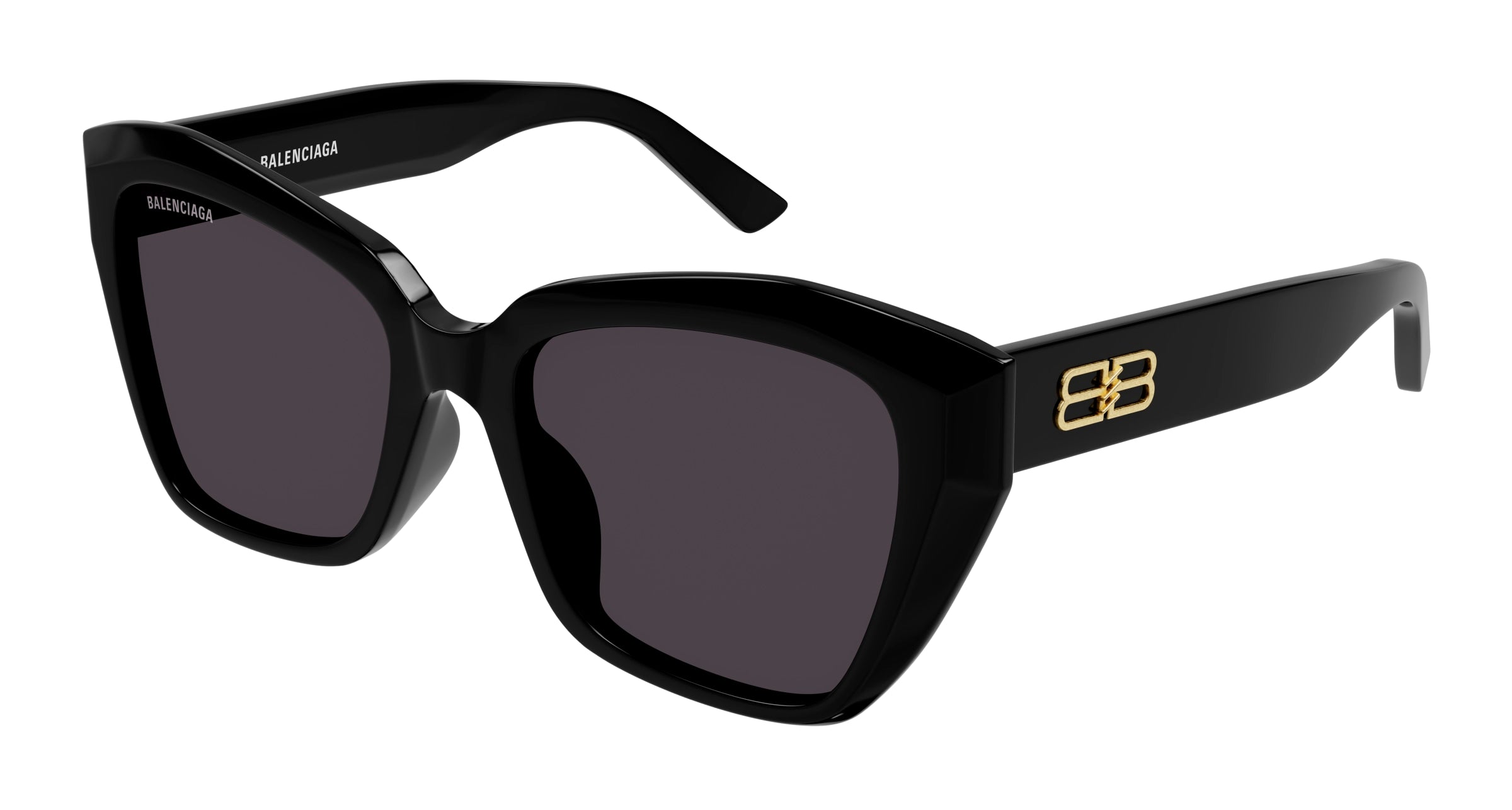

Dirty sunglasses are more than annoying. Smudges, sunscreen, sweat, dust, salt, and sand can make it harder to see clearly, and cleaning them the wrong way can leave behind scratches or damage delicate lens coatings.
The good news? You don’t need anything fancy to clean sunglasses safely at home. With the right supplies and a gentle process, you can remove everyday buildup without harming your lenses or frames.
Below, we’ll walk through the best way to clean sunglasses, what to use, what to avoid, and how to handle common problems like oily lenses, beach sand, and saltwater residue.
What You Should Use to Clean Your Sunglasses
The safest way to clean sunglasses starts with simple, gentle materials. You do not need household cleaners, paper towels, or harsh sprays. In fact, those can do more harm than good.
For most sunglasses, you’ll want:
-
Lukewarm water
-
A tiny drop of mild dish soap
-
A clean microfiber cloth
-
Lens cleaner made specifically for eyewear, if you have it
Lukewarm water helps rinse away loose dust, sand, and debris before you touch the lenses. That step matters because rubbing dry particles across the surface can scratch your sunglasses, especially if they have mirrored, polarized, or specialty lens coatings.
Mild dish soap can help break down sunscreen, sweat, makeup, and skin oils without being too harsh. Just use a very small amount. You want gentle cleaning, not a sink full of suds.
A microfiber cloth is best for drying because it is soft enough for lenses and less likely to leave lint behind. If your cloth has been sitting in a beach bag, car console, or purse, make sure it is clean before using it. A dirty microfiber cloth can spread oils or drag tiny grit across the lenses.
How to Clean Your Sunglasses at Home
The best way to clean your sunglasses at home is simple, but the order matters. Rinsing first helps remove tiny bits of dust, sand, or grit before they can scratch your lenses. Then you can safely clean away smudges, sunscreen, sweat, and oil without scrubbing too hard.
-
Rinse your sunglasses first. Hold them under lukewarm water to remove loose dirt, dust, salt, or sand before touching the lenses.
-
Use a small amount of mild dish soap or sunglasses cleaner. If you have a lens cleaner made specifically for eyewear, you can spray it onto the lenses after rinsing. Otherwise, a tiny drop of mild dish soap works well for removing oils and buildup.
-
Gently clean the lenses and frames. Use your fingertips to clean both sides of the lenses, nose pads, hinges, and temples where sweat and sunscreen tend to collect.
-
Rinse again if needed. If you used soap, rinse thoroughly so no residue or streaks are left behind.
-
Dry with a clean microfiber cloth. Pat and wipe gently using light pressure. If you still notice streaks, repeat the process instead of rubbing harder.
How to Clean Sunglass Lenses Without Scratching Them
Most scratches happen because people try to clean sunglasses too quickly. It is easy to grab the corner of your shirt, a beach towel, or whatever cloth is nearby, but that can grind dust, sand, or tiny particles across the lens surface.
That is why the first rinse matters. Water helps lift away loose grit before anything touches the lenses. Once that grit is gone, clean fingertips can actually be one of the gentlest tools to use. They let you feel what you are cleaning without dragging rough fabric or paper across the lens.
A few easy mistakes to avoid:
-
Do not wipe dry lenses. Always rinse first, especially if your sunglasses have been at the beach, in the car, or outside.
-
Do not use a dirty microfiber cloth. Microfiber is great when it is clean, but it can collect dust, oil, and particles in your bag or case.
-
Do not use your shirt, paper towels, or napkins. These can be rougher than they feel and may scratch lenses or damage coatings.
-
Do not scrub harder to remove streaks. If lenses still look cloudy, rinse and clean them again instead of adding pressure.
How to Clean Sunglasses Frames
Clean lenses are important, but the frames collect just as much buildup. Sunscreen, sweat, makeup, hair products, and skin oils often settle around the nose pads, hinges, and temples, which can make your sunglasses feel sticky or look dull even after the lenses are clean.
Use the same gentle soap-and-water method on the frame, but spend a little extra time on the areas that touch your face. Clean around the nose pads, along the bridge, and near the temple arms where buildup tends to collect. If your sunglasses have hinges or small hardware, be gentle and avoid forcing water directly into moving parts.
For stubborn buildup around nose pads or tight corners, use your clean fingertips or a soft, damp cloth. Avoid toothpicks, rough brushes, or anything sharp that could scratch the frame or loosen small parts.
How to Get Sand, Salt, or Sweat Off Sunglasses
Beach days, boating trips, fishing, running, and outdoor workouts can leave sunglasses with more than ordinary smudges. Sand, salt, and sweat can be especially rough on lenses and frames if they sit too long or get rubbed in.
This is where rinsing first is non-negotiable. Sand can act like tiny grit against the lens surface, while salt can dry into a film that feels rough when wiped. Before using a cloth, run lukewarm water over the lenses and frame until loose particles are gone.
After a beach or water day, clean your sunglasses as soon as you can. A quick rinse helps remove salt, sunscreen, and sweat before they build up around hinges, nose pads, and lens edges. Then follow with mild soap or eyewear-safe cleaner if the sunglasses still feel oily or cloudy.
What Not to Use on Sunglasses
When your sunglasses are smudged, it is tempting to grab whatever is nearby. A shirt hem, paper towel, household cleaner, or quick breath-and-wipe can feel harmless in the moment, especially if you do not have lens cleaner or a microfiber cloth handy.
The problem is that many sunglasses have delicate lens coatings, including polarized, mirrored, anti-reflective, or scratch-resistant finishes. Harsh cleaners can break those coatings down over time, while rough or dirty materials can drag tiny particles across the lens.
Avoid using:
-
Windex or glass cleaner
-
Vinegar
-
Bleach
-
Ammonia-based cleaners
-
Paper towels or tissues
-
Clothing or shirt hems
-
Saliva or breath-only cleaning
If you’re in a pinch, a quick rinse with clean water is better than dry-wiping with whatever is nearby. Even if you can’t do a full cleaning right away, removing grit first can help prevent scratches.
How Often Should You Clean Sunglasses?
You don’t need to deep-clean your sunglasses every day. Most people are busy, and cleaning sunglasses is not exactly top of mind until the lenses are obviously smudged.
Still, cleaning them before buildup gets heavy can help keep your lenses clearer and reduce the chance of scratching from dried sunscreen, salt, dust, or grit. It can also help keep the frames more comfortable, especially around the nose pads and temples.
For everyday wear, a quick rinse or gentle wipe with a clean microfiber cloth when you notice smudges is usually enough. If you are short on time, even rinsing off dust, sand, or salt before putting your sunglasses back in the case can go a long way.
A more thorough cleaning is smart after:
-
Beach trips
-
Boating or fishing
-
Sweaty workouts or runs
-
Sunscreen-heavy days outdoors
-
Windy or dusty conditions
And do not forget the microfiber cloth itself. If it has been floating around in a beach bag, car, or purse, it may be carrying oil, lint, dust, or sand. Washing it regularly helps make sure you are not putting grime right back onto clean lenses.
When Professional Sunglasses Cleaning Can Help
At-home cleaning works well for everyday smudges, but some situations are harder to fix with a quick rinse. If sunscreen is built up around the nose pads, the lenses still look cloudy, the frames feel loose, or your sunglasses keep sliding out of place, a professional cleaning or adjustment can make a big difference.
If you’re near one of our Sunglass World locations, we’re here to help. We offer lifetime free cleaning and adjustments for all sunglasses, whether you bought them from us or somewhere else.
For easy care between visits, Sunglass World also offers convenient sunglass care kits. Plus, care kits purchased from Sunglass World come with free refills, so you always have the right cleaner on hand instead of reaching for something that could damage your lenses.